What are the colors of minerals?
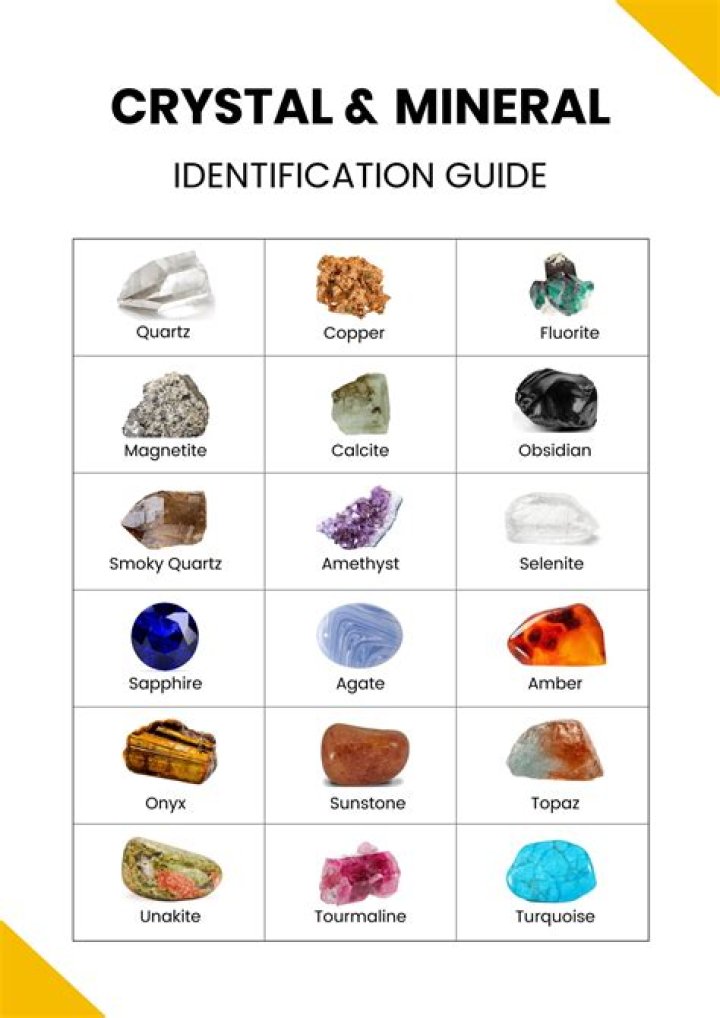
The color of a mineral is the first thing most people notice, but it can also be the least useful in identifying a mineral. Most minerals occur in more than one color. Fluorite can be clear, white, yellow, blue, purple, or green. The other properties, such as hardness, cleavage, and luster, must be used instead.Click to see full answer. Beside this, why do minerals have different colors?Many minerals have different colors and some minerals’ colors are identical to other minerals’ colors. Color in minerals is caused by the absorption, or lack of absorption, of various wavelengths of light. The color of light is determined by its wavelength.Beside above, what mineral is green in color? Green and greenish rocks get their color from minerals that contain iron or chromium and sometimes manganese. Also asked, what mineral is blue in color? The most common blue/bluish minerals of this type include azurite, chalcanthite, chrysocolla, linarite, opal, smithsonite, turquoise, and vivianite.What do we call light colored minerals?While biotite is dark colored, quartz, muscovite, and orthoclase are light colored, usually shades of white, pink, or light gray. When you look at the rock as a whole, it is fairly light colored. The most common minerals produced by high temperature magma include olivine, pyroxene, amphibole, and plagioclase.